Thread Work for Any Item
Custom Embroidery & Monogramming in Lafayette for customers who need personalized gifts, apparel, household items, and specialty projects with detailed thread customization
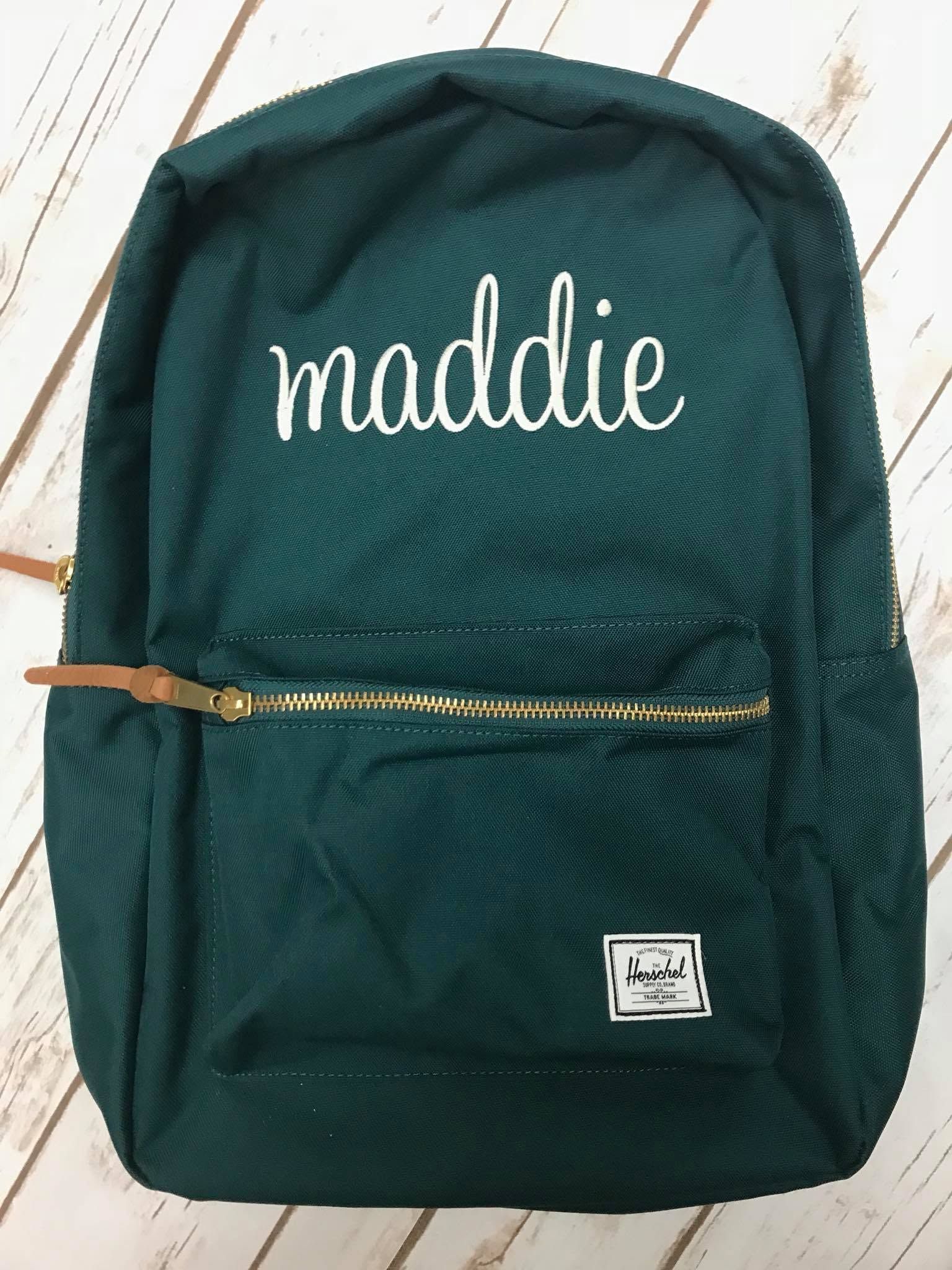
Embroidered monograms and detailed thread designs transform apparel, gifts, accessories, household textiles, and specialty items into personalized pieces that carry names, initials, dates, or custom artwork. The embroidery capability at Greek Expressions ranges from delicate christening-gown monograms requiring precise thread tension to 99,000-stitch motorcycle patches demanding dense fill patterns and color transitions. Our team applies second-generation embroidery experience to projects that span baby blankets, corporate uniforms, wedding gifts, promotional items, and technical patches where stitch density and durability determine whether the finished piece performs as intended.
Custom embroidery begins with your item and design specifications—what you're personalizing, the text or artwork you want rendered in thread, placement preferences, and any color matching requirements. The digitizing process converts your design into machine-readable stitch patterns that control thread path, density, and layering. Production involves hooping the item, loading thread colors in sequence, and monitoring the embroidery process to maintain tension and alignment across intricate or high-stitch-count designs.
Schedule a consultation to review your item, design concept, personalization details, and project timeline.
How Embroidery Creates Durable Personalization
Thread embroidery mechanically anchors personalization into fabric by penetrating fibers with thousands of individual stitches that lock together in patterns forming letters, shapes, or complex images. A simple three-letter monogram might require 3,000 to 5,000 stitches depending on letter style and size, while detailed patches or crests can exceed 50,000 stitches as thread layers build density and dimension. This stitch-based construction creates raised designs that survive washing, abrasion, and years of regular use without the cracking, peeling, or fading associated with printed or heat-applied graphics.
After embroidery is completed, you see thread work that reads clearly from a distance while revealing individual stitch paths and color transitions up close. Monogrammed towels display crisp letter outlines that remain intact through hundreds of laundry cycles. Corporate polos feature company logos with thread colors precisely matched to brand standards. Specialty patches present artwork with stitch density sufficient to support the fabric even when sewn onto leather or heavy canvas.
The shop handles projects requiring specific technical approaches—underlay stitching to stabilize stretchy fabrics, pull compensation to prevent distortion on knits, and thread color blending to create shading effects in detailed designs. Digitizing decisions determine how well the finished embroidery matches your original artwork and how the piece performs during its intended use, whether that's daily corporate wear, ceremonial presentation, or outdoor exposure on motorcycle gear and organizational patches.
Embroidery Project Questions
Customers considering custom embroidery typically ask about item suitability, design complexity, and production requirements before starting their projects.
What items can be embroidered?
The shop embroiders apparel, bags, hats, linens, blankets, robes, towels, and specialty items including canvas products, provided the material can be hooped and is thick enough to support thread tension without puckering.
How detailed can embroidered designs become?
Embroidery accommodates intricate work from delicate christening gown monograms through complex 99,000-stitch patches, with detail level determined by item size, fabric stability, and whether the design translates effectively into thread rather than requiring printing or other methods.
What design information is needed to start an embroidery project?
You provide the item to be embroidered, artwork or text for the design, color preferences, placement location, and approximate size, which Greek Expressions uses to assess digitizing requirements and provide specific project pricing.
How does fabric type affect embroidery results?
Stable woven fabrics like canvas and denim support dense stitching without distortion, while knits and stretchy materials require underlay stitching and tension adjustments to prevent puckering, and very delicate fabrics may need backing reinforcement to distribute thread tension across the material.
What turnaround time should be expected for custom embroidery?
Simple monogram projects on shop-stocked items often complete within one week, while complex designs requiring custom digitizing, specialty thread sourcing, or high stitch counts may need two to three weeks depending on production schedule and whether the customer supplies the item or selects from available inventory in Lafayette. We can accomodate rush orders, but a rush fee will be applied to that order.
Greek Expressions approaches each embroidery project with attention to technical requirements that determine whether thread work will perform as expected over years of use. Contact the shop at (337) 232-4332 to discuss your item, design, personalization needs, and project specifications.